
//Go to Cart Button //

Melissa Hehmann: 5 Supplements Athletes Should Take

Supplements.gif

When it comes to athletic performance, there are a number of factors that influence an athlete’s output. However, when you get right down to it, the components of performance that are within athletes’ control include the intensity and quality of training, and the nutritional value of what they put in their bodies… and the two are proportionally related.
 
Melissa says while a well-planned diet can fuel the energy and nutrient needs of most athletes, the high-demands of training can make it difficult for some. Supplementation can be beneficial to these individuals, but Melissa also cautions that athletes should consult with their physicians and dietitians that specialize in sports nutrition before starting supplementation.

 1. Multivitamins

Multivitamins.gif

 There is more to nutrition than essential proteins, fats and carbohydrates, and if you are an athlete involved in heavy training, there may be some gaps in terms of your food’s vitamin content that need to be filled. To fill these gaps, Melissa suggests the use of a multivitamin to help your body maintain its optimal performance level.

“A basic multivitamin that is age and gender appropriate may be a good start for athletes who wish to supplement their diets,” Melissa explained. “Vitamins have been under scrutiny lately as to their effectiveness, but they were never intended to be used to replace a healthy diet. A multivitamin is an inexpensive way for an athlete to complement a nutrient-dense diet.“

 
2. Vitamin D
Vitamin-D.gif

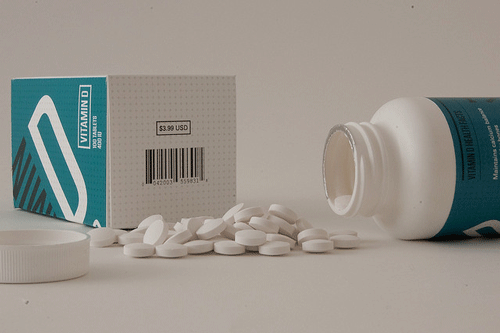
While many vitamins can be obtained in abundance from a variety of food sources, vitamin D is acquired primarily through animal proteins, so getting enough of this fundamental nutrient can be challenging to athletes with a vegan or vegetarian lifestyle, or who live in certain regions or climates.

“Vitamin D can be obtained from foods like salmon and eggs and from exposure to the sun, but it can be challenging to get enough, especially if you live in the northern half of the United States or are an indoor athlete,” Melissa said. “Vitamin D promotes bone health and immune function, both necessary for an athlete’s training regimen. The Institute of Medicine recommends no more than 4000 IU of Vitamin D daily in the form of supplements.”

 
3. Creatine

 If you’ve been in the weight room and seen a muscle-bound bodybuilder or athlete, chances are they’re taking a protein supplement. As far as legal supplements are concerned, creatine is one of the most popular and widely used supplements among athletes because of its ability to increase strength and explosiveness.

“Creatine is a naturally-occurring compound found in muscles and an important source of fuel for intense bursts of activity, which occurs in many sports,” Melissa said. “Most meat eaters consume adequate amounts of creatine in their diet. Supplementation has been shown to increase muscle strength and reduce recovery time, but isn’t recommended for young athletes. A physician should be consulted to determine if creatine is appropriate.”  

 
4. Fish Oil

Fish-Oil.gif


 There are many reasons to consume fish, including the relative leanness of the protein contained therein. However, the most widely-publicized benefit of fish, in recent years, has been the presence of Omega 3 fatty acids within the oil of the fish. While some athletes may have an aversion to eating fish, Melissa says there are reasons to consume the oil of the fish in a supplemental form.

“Fish oil contains vital Omega-3 Fatty Acids that have been shown to reduce inflammation and boost lung function both during and after exercise,” Melissa explained. “Omega-3’s can be obtained by consuming foods like fatty fish, nuts, and seeds, but supplementation may be appropriate depending on the athlete.”

 
5. Beet Root Juice

 When it comes to beverage options and fitness, there are several drinks that compete for an athlete’s attention. These options include a variety of pre- and post-workout selections like energy drinks and protein drinks. However, Melissa says that one of the most beneficial drink options is something that most athletes are likely to overlook completely.

“Beet root juice, which is the same as Beet Juice, not only can help with an athlete’s hydration and electrolyte balance, but also provides naturally-occurring nitrates that quickly deliver oxygen to working muscles to promote increased stamina,” Melissa said. “These nitrates can also be found in celery, radishes, arugula, and parsley. “


Melissa-Hehmann---profile-pic.gif


Melissa Hehmann, RD, CDE, ACE-CPT – Healthy Living Advisor for Meijer


The Meijer State Games of Michigan is a multi-sport, Olympic-style event(s) that welcome athletes regardless of age or ability level. The Games embody the values of participation, sportsmanship and healthy living.


Interested in our Summer Games? 
www.StateGamesofMichigan.com/summergames


Interested in our Winter Games? 
www.StateGamesofMichigan.com/wintergames


Maribel Alchin: 5 Foods Athletes Should Avoid

FoodsToAvoid.gif

The two things that contribute to athletic success that athletes have no control over are natural size and talent. Aside from those two factors, success is derived from the proper mix of nutrition and training, and those two components relate directly to one another.
 
Maribel Alchin of the Meijer Healthy Living team is quick to explain that what you eat affects your athletic performance, and she advises that your diet should include whole grains, a colorful variety of fruits and vegetables, lean meats, fish, low fat dairy, nuts, seeds and beans.  Eating a well-balanced diet can help you feel stronger, train harder and compete better. So it’s important to choose healthier ingredients to prepare your meals by replacing the not-so-healthy foods with ones that are more nutrient rich to maximize your performance.  With that being said, here is Maribel’s list of five foods that athletes should definitely avoid.

 
1. Refined/processed grains


When you need to slap a couple slices of bread together to make a sandwich, any old bread will do, right? Not necessarily.  White bread may be an attractive option for some people, especially given its relative cheapness, but Maribel says there are several better options available.
 
“Replace refined grains with whole grains, such as brown rice, oatmeal, ancient grains (like quinoa, amaranth, millet), whole grain pasta and cereal, sprouted grains, and whole wheat bread,” Maribel advised. “Whole grains are nutrition powerhouse foods for athletes that have more fiber, vitamins, and minerals than processed white grains.  They are packed with carbohydrates, which fuels your muscles and provides energy.”
 

2. Refined sugars


There is nothing inherently wrong with sugar; it’s a natural sweetener that makes just about everything taste better. The problem is created when people overindulge in the sweet stuff and receive it in highly concentrated forms. According to Maribel, there is a better way to indulge your sweet tooth, particularly if you’re an athlete.
 
“Refined sugars such as soda and candy also fuel muscles, but are nutrient poor choices and lack the vitamins you need to perform your best,” Maribel said. “Try eating some fruit if you’re looking for something sweet. Fruits are nature’s candy! They contain the electrolyte potassium, which helps prevent muscle cramps and restore electrolytes. Have a smoothie made with Greek yogurt and frozen berries within 15-60 minutes following practice or competition for a recovery snack to aid in muscle repair.”
 

 3. Solid fats
 

Solid-fats.gif

 
Far from being a source of empty calories, fat is actually an essential nutrient, and it acts as your body’s primary source of sustainable energy, and a means of storage for certain vitamins. With that being said, there are several forms of fat, and some of them are better for you than others.
 
“Solid fats contain more saturated fat and/or trans fat than oil,” Maribel explained. “Replace solid fats like butter with foods that contain monounsaturated fats like avocados, olive oil, walnuts, and polyunsaturated fats like corn oil, soybean oil, fish, nuts and seeds. Omega-3 fatty acids are another source of healthy fats that helps reduce inflammation. Fish oil, flaxseed, chia seeds, walnuts, soybeans, and salmon are high in Omega-3 fatty acids.  Eating healthy fats will provide you energy, a sense of satiety and aid in vitamin absorption.”

 4. Caffeine

Caffeine.gif

 
Caffeinated beverages have spawned huge industries around the world, including the creation of billion-dollar coffee, cola and energy drink companies. For athletes, caffeine can be a quick-fix that provides the boost necessary to either begin a workout, or to complete one. At the same time, Maribel insists that your standard workout beverage should be chosen more for its hydration potential, and less for its stimulating influence.
 
“Caffeine has a diuretic effect when consumed in large quantities, which could lead to poor hydration prior to and during exercise,” Maribel said. “In moderation, caffeine does not cause dehydration or electrolyte imbalance, but athletes should rely on non-caffeinated beverages for rapid hydration. If you are exercising for less than 60 minutes, water is a good choice to drink before, during, and after. For physical activity lasting longer than 60 minutes, sports drinks with 6-8% carbohydrates are a good option for replacing carbohydrates and electrolytes.”

 
5. New/untried foods
 

New-untried-foods.gif

With so many foods touted as miraculous performance aids, there is always a temptation to try out something new on the day of a big game, tournament or race. However, Maribel says that athletes that opt to try some new or unique food item on the day of competition run the risk of having that food affect their performance in a negative way.
 
“New food on the day of an event is not a good idea,” Maribel insisted. “You may get an upset stomach or other gastrointestinal problems. Tried and true foods that are part of your day-to-day training diet are the safer bet. Try new sport foods during training sessions to determine which products work best for you before competition.” 


2012-Maribel-Alchin.gif


Maribel Alchin, MBA, RD, LDN, Meijer Healthy Living Advisor & Personal Chef


The Meijer State Games of Michigan is a multi-sport, Olympic-style event(s) that welcome athletes regardless of age or ability level. The Games embody the values of participation, sportsmanship and healthy living.


Interested in our Summer Games? 
www.StateGamesofMichigan.com/summergames


Interested in our Winter Games? 
www.StateGamesofMichigan.com/wintergames

 

Ted Rath: 5 Mistakes Most Young Athletes Are Making In The Weight Room

With six years as a strength and conditioning coach at the professional level under his belt, Ted Rath knows his way around a weight room. Although he enjoys designing the workout routines for the current crop of Detroit Lions football players, Ted also stays abreast of the fitness trends that are influencing younger athletes as they look to develop their bodies and improve their athletic performances.